


A DIY website builder can work well when your business only needs a simple online presence, but professional web design is usually the better option when you want your website to support SEO, lead generation and long-term growth. The best choice depends less on how quickly you can build a website and more on what you need that website to achieve for your business.
For many Australian small-business owners, creating a website is no longer the difficult part. Platforms with templates and drag-and-drop tools make it possible to launch one quickly and relatively cheaply.
The bigger question is whether that website is actually helping your business.
If your current DIY website looks reasonable but struggles to rank on Google, generate enquiries or convert visitors into customers, it may have reached the point where simply “having a website” is no longer enough.
So, when comparing a DIY website builder vs professional web design, it is important to look beyond the initial cost and consider SEO, user experience, conversions, flexibility and future business growth.
What Is a DIY Website Builder?
A DIY website builder allows you to create and manage your own website using templates, pre-built sections and visual editing tools.
You generally do not need coding or web development knowledge. You can choose a template, add your logo, upload images, write your content and publish the site yourself.
For a new business, sole trader or startup, this can be a practical way to establish an online presence without making a significant upfront investment.
The main benefits include:
- Lower initial costs
- Faster setup
- Ready-made website templates
- Simple content editing
- No coding knowledge required
For businesses with basic requirements, that may be all they need.
However, limitations can become more noticeable as your business grows and you begin expecting your website to do more than simply display your contact details and services.
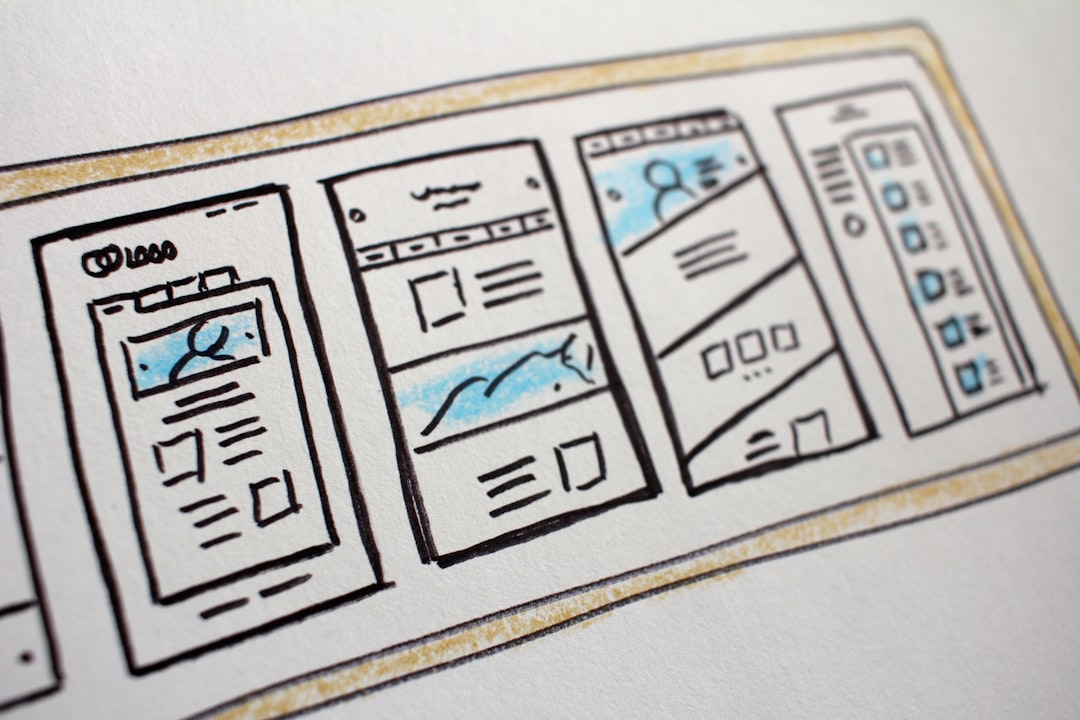
What Does Professional Web Design Offer?
Professional web design takes a different approach.
Instead of starting with the question, “Which template should we use?”, the process begins with questions such as:
Who are your customers? What are they searching for? Which services do you want to promote? What action should visitors take? And how should the website support your wider marketing strategy?
That means professional website design goes far beyond making a site look attractive.
A professionally planned website may consider:
- Website structure and navigation
- Search engine optimisation
- Mobile responsiveness
- User experience
- Page speed and performance
- Conversion rate optimisation
- Calls-to-action
- Content hierarchy
- Branding
- Lead-generation pathways
- Analytics and conversion tracking
The aim is to build a website that works as a business and marketing asset, rather than simply an online brochure.
DIY Website Builder vs Professional Web Design: What Is the Difference?
The biggest difference is usually not appearance.
Many DIY website templates can look polished. The real difference is the level of strategy, customisation and optimisation behind the website.
Cost
DIY website builders are usually cheaper upfront because you are completing most of the work yourself.
Professional web design requires a larger initial investment because you are paying for strategy, design, development and professional expertise.
However, the cheapest website is not necessarily the most cost-effective website.
If a low-cost website generates little traffic and very few enquiries, it may provide less business value than a professionally designed website built to attract and convert potential customers.
Customisation and Flexibility
DIY builders usually rely on templates and predefined features.
That can make them easy to use, but it may also restrict what you can change as your business becomes more complex.
You might eventually need custom landing pages, better forms, integrations, improved navigation, additional service sections or a completely different website structure.
With professional web design, the website can be planned around your business instead of requiring your business to fit within the limitations of a template.
Which Option Is Better for SEO?
A DIY website can rank on Google. Using a website builder does not automatically mean your SEO will be poor.
The challenge is that effective SEO involves considerably more than filling in a page title or adding keywords to your homepage.
An SEO-friendly website needs to consider factors such as:
- Search intent
- Keyword targeting
- Website architecture
- Service page structure
- Internal linking
- Mobile usability
- Page speed
- Crawlability
- Metadata
- Content quality
- Technical SEO
When building your own website, it is easy to focus heavily on colours, images and layouts while overlooking these elements.
For example, you might place several different services on one page when each service actually needs its own optimised landing page. Your navigation may also make sense visually but not provide Google with a clear understanding of your website structure.
If organic search visibility is important to your business, SEO should ideally influence the website from the planning stage rather than being added as an afterthought.
What About Lead Generation?
Traffic alone does not grow your business.
Your website also needs to turn the right visitors into enquiries, calls, bookings or sales.
When someone arrives on your website, they should quickly understand:
- What you offer
- Who you help
- Why they should choose you
- Where you operate
- What they should do next
Professional conversion-focused web design can help create a clearer journey between arriving on a page and taking action.
This might involve strategically positioning:
- Contact forms
- Quote request buttons
- Phone numbers
- Customer reviews
- Service information
- Trust signals
- Case studies
- FAQs
- Calls-to-action
These elements should work together rather than being added randomly throughout the website.
This becomes especially important if you are already investing in SEO, Google Ads, social media advertising or other digital marketing channels.
There is little value in paying to attract more visitors if the website they arrive on does not encourage them to become customers.
When Is a DIY Website Builder a Good Choice?
Professional web design is not automatically necessary for every business.
A DIY builder can be suitable if:
- You are launching a new business on a limited budget
- You only need a small informational website
- Your website is not a major source of leads
- You have very simple functionality requirements
- You need an online presence quickly
For businesses in the early stages, starting with a DIY website can be perfectly reasonable.
The important thing is recognising when you have outgrown it.
When Should You Consider Professional Web Design?
Your business may be ready for a professionally designed website if your current site is beginning to hold your marketing back.
Common signs include:
- Your website gets traffic but generates few enquiries
- Your important service pages do not rank well on Google
- Your website does not reflect the quality of your business
- Your navigation has become confusing
- Your site performs poorly on mobile devices
- You have added too many pages to an inflexible template
- You are investing more heavily in SEO or paid advertising
- You need functionality your current platform cannot easily provide
- Your competitors provide a significantly better online experience
At this stage, the question is no longer simply whether a DIY website is cheaper.
It is whether keeping it is costing you opportunities.
DIY Website or Professional Website: Which Should You Choose?
If you only need a simple online presence, a DIY website builder may be enough.
But if your website needs to attract potential customers, rank for competitive search terms and generate consistent enquiries, professional web design is usually the stronger long-term investment.
Your website should support where your business is going, not just where it was when you first launched it.
As your business becomes more established, your website should be able to grow with your services, marketing strategy and customers’ expectations.
Build a Website That Works Harder for Your Business
At DGreat Solutions, we believe a business website should do more than look professional.
It should make it easier for potential customers to find you, understand your services and take the next step.
Our approach to professional website design in Australia considers user experience, SEO, lead generation and digital marketing from the beginning, helping you build a website that supports your wider business objectives.
If your current DIY website has taken you as far as it can, we can help you plan the next stage.
Talk to DGreat Solutions about professional web design in Adelaide built to support your SEO, marketing and long-term business growth.
Frequently Asked Questions
Is a DIY website good enough for a small business?
Yes, a DIY website can be suitable for a small business that only needs a simple online presence. However, if you rely on your website to generate leads, attract organic traffic or support digital marketing campaigns, you may benefit from a more professionally planned website.
Can a DIY website rank on Google?
Yes. Websites created with DIY platforms can rank in search results. However, strong SEO also depends on your content, website architecture, keyword targeting, technical setup, page speed, internal links and overall user experience.
Is professional web design worth the investment?
It can be when your website plays an important role in generating business. Professional web design can provide greater flexibility, stronger SEO foundations, a better user experience and clearer conversion pathways.
Should SEO be done before or after building a website?
Ideally, SEO should be considered during the website planning process. Keyword research, page structure, navigation, content hierarchy and internal linking can all influence how the site is built. Planning these elements early can reduce the need for major changes later.
Can I upgrade from a DIY website to a professional website?
Yes. Many businesses begin with a DIY site and move to a professionally designed website once they grow. A redesign can improve your site’s appearance, structure, SEO foundations, mobile experience, functionality and ability to generate leads.


