


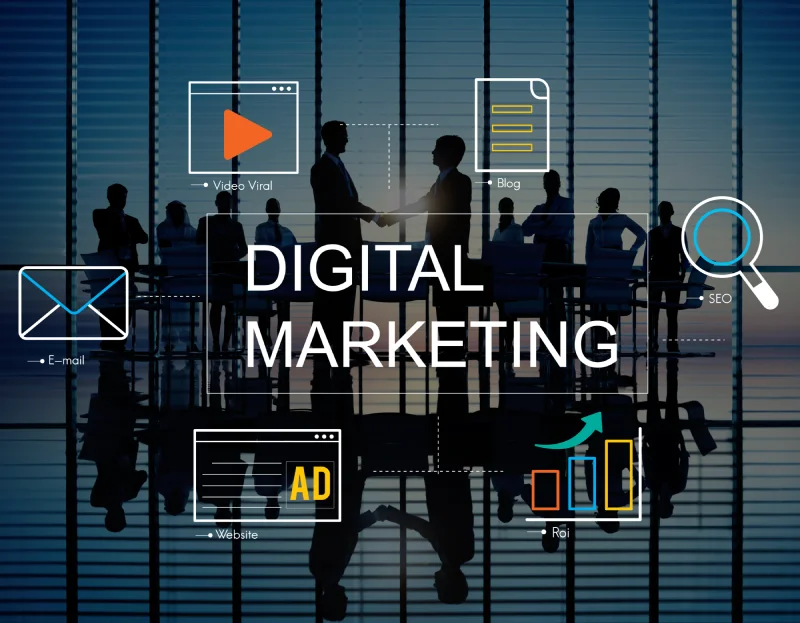

Digital marketing is transforming the small business landscape by changing how business owners attract customers, build trust, compete online, and generate sales. Through SEO, social media marketing, paid advertising, content marketing, email campaigns, website optimisation, and data analytics, small businesses can now reach targeted audiences, measure performance, and grow more strategically than ever before.
For today’s business owners, digital marketing agency is no longer just an optional add-on. It has become one of the most important parts of business growth. Your customers are already online. They are searching on Google, reading reviews, comparing websites, scrolling through social media, watching videos, and making decisions before they ever speak to your team.
This means your online presence is often your first impression. If your business is not visible where your customers are looking, your competitors are likely taking the enquiries, traffic, and sales that could have been yours. In many industries, not taking advantage of digital marketing does not simply mean staying the same. It can mean slowly losing market share to businesses that are more visible, more accessible, and easier to trust online.
Digital Marketing Helps Small Businesses Compete With Bigger Brands
One of the biggest ways digital marketing is transforming the small business landscape is by giving smaller businesses a real opportunity to compete with larger companies. In the past, bigger brands often dominated because they had larger advertising budgets, stronger brand recognition, and more access to traditional media.
Today, small business owners can compete through smart, targeted, and cost-effective digital marketing strategies. You do not need to reach everyone. You need to reach the right people at the right time with the right message.
With search engine optimisation, Google Ads, local SEO, Meta Ads, email marketing, and social media content, your business can appear in front of people who are already interested in your products or services. This makes digital marketing more practical and measurable than many traditional marketing methods.
For example, a local service business can target customers in a specific suburb. An ecommerce business can target people searching for specific products. A professional service provider can build trust through educational content and case studies. This level of targeting allows small businesses to use their marketing budget more efficiently.
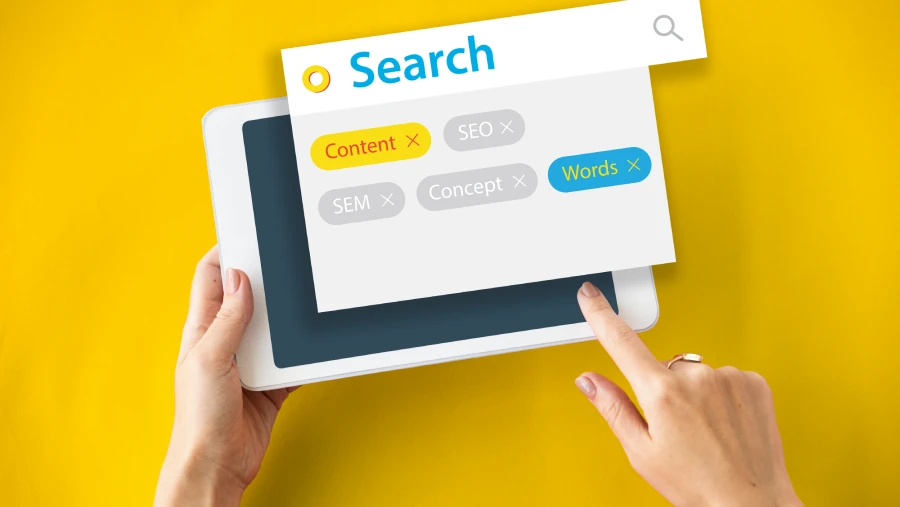
SEO Builds Long-Term Visibility and Trust
Search engine optimisation, or SEO, plays a major role in helping small businesses grow online. When potential customers search for a product, service, or solution, they are often more likely to trust businesses that appear on the first page of Google.
For business owners, SEO is valuable because it turns your website into a long-term marketing asset. Instead of paying for every single visitor, SEO helps your business attract organic traffic through optimised service pages, product pages, blog content, technical improvements, internal links, local search signals, and helpful website structure.
A strong SEO strategy can help your business rank for relevant keywords, increase website traffic, improve brand visibility, and generate more qualified leads. Over time, this can reduce your reliance on paid advertising and support more sustainable business growth.
This is especially important in competitive markets. If your competitors are investing in SEO and your business is not, they may continue building authority while your website becomes harder to find. The longer you wait, the harder it can become to catch up.
Social Media Builds Stronger Customer Relationships
Social media marketing has changed how small businesses connect with customers. Platforms such as Facebook, Instagram, LinkedIn, TikTok, and YouTube give business owners the chance to communicate directly with their audience, show their brand personality, and stay visible in customers’ daily lives.
For small businesses, social media is more than a place to post promotions. It is a space for storytelling, customer engagement, brand awareness, education, community building, and trust.
You can use social media to share behind-the-scenes content, customer testimonials, product demonstrations, team introductions, helpful tips, project updates, and business milestones. This helps customers understand who you are, what you offer, and why they should choose your business.
People often buy from businesses they recognise and trust. A consistent social media presence can help your business stay top of mind, especially when customers are not ready to buy immediately but may need your product or service later.
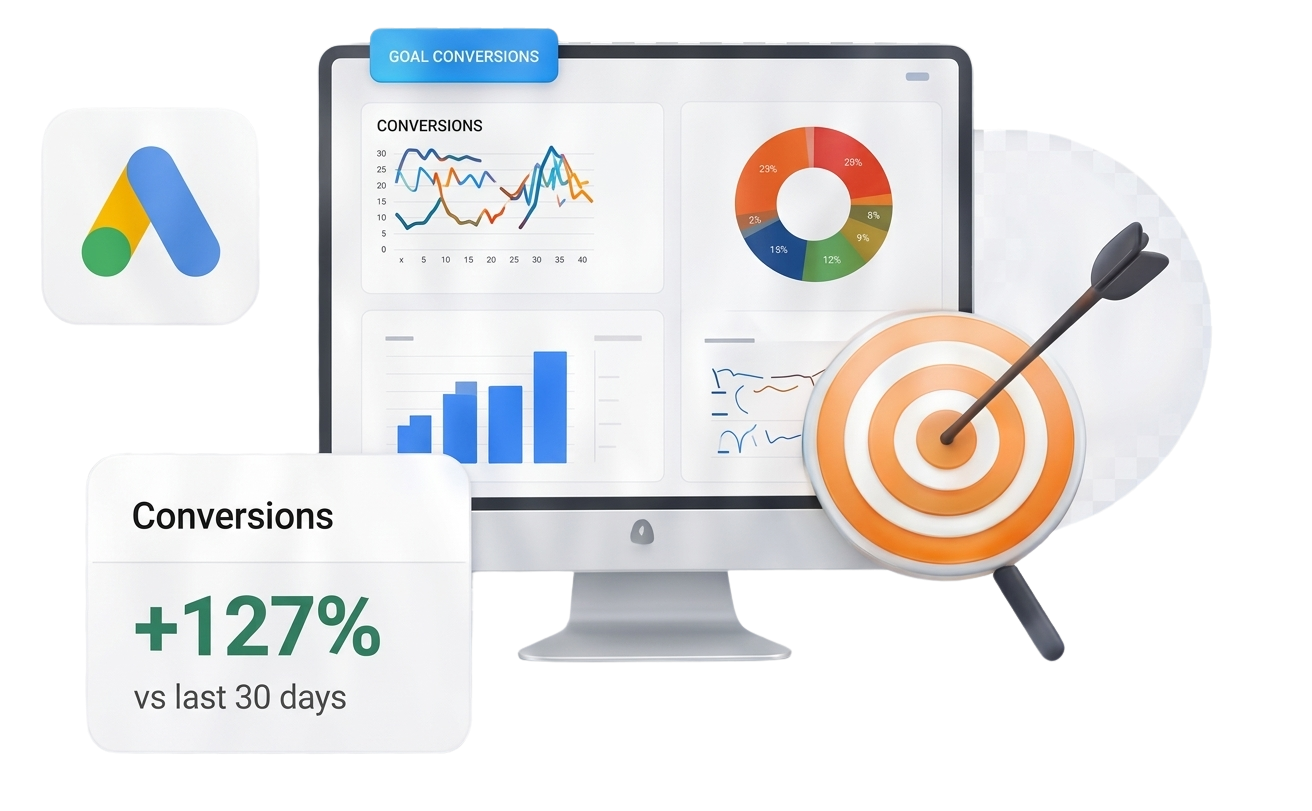
Paid Advertising Creates Faster Opportunities
While SEO and organic content are important for long-term growth, paid advertising helps small businesses generate visibility faster. Google Ads, Meta Ads, display campaigns, YouTube Ads, and remarketing campaigns allow business owners to promote their services, products, offers, and landing pages directly to targeted audiences.
Paid advertising is especially useful when you want to launch a new offer, promote a seasonal campaign, enter a competitive market, or bring more traffic to your website quickly.
The main advantage of digital advertising is measurability. You can track impressions, clicks, enquiries, purchases, cost per lead, conversion rate, and return on ad spend. This means you can see what is working, what needs improvement, and where your marketing budget is going.
For small business owners, this level of control is powerful. Instead of guessing whether your advertising is effective, you can use real data to refine your campaigns and improve results.
Data Helps Business Owners Make Smarter Decisions
Digital marketing has also transformed decision-making for small businesses. Tools such as Google Analytics 4, Google Search Console, Google Ads, Meta Ads Manager, email marketing platforms, CRM systems, and website heatmaps allow business owners to understand how customers interact with their business online.
You can see which pages bring in traffic, which keywords generate visibility, which ads drive enquiries, which products receive interest, and where users leave your website.
This data helps you make better business decisions. Instead of relying only on assumptions, you can identify what your customers actually respond to. This can guide your website improvements, content strategy, advertising budget, product positioning, customer journey, and conversion rate optimisation.
In a competitive small business landscape, this kind of insight can make a major difference.
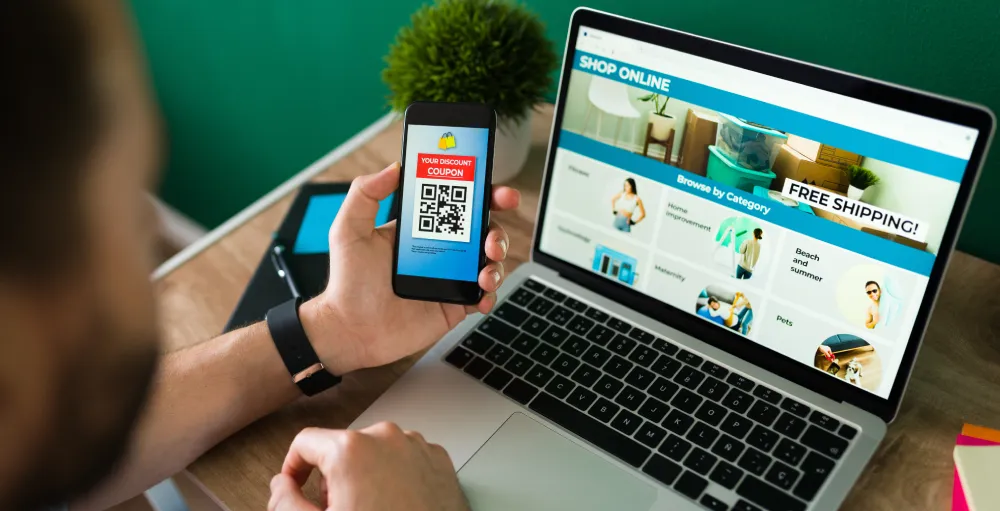
Your Website Is Now a Sales and Lead Generation Tool
A modern website is no longer just an online brochure. It should work as a sales tool, lead generation platform, brand trust builder, and customer education hub.
For business owners, this means your website needs to do more than look professional. It needs to load quickly, explain your services clearly, guide visitors through the customer journey, showcase trust signals, and encourage action.
Conversion rate optimisation can help improve website performance through stronger calls to action, better page layouts, service-focused content, customer reviews, enquiry forms, landing pages, internal links, mobile-friendly design, and clear navigation.
If you are driving traffic to a website that does not convert, you may be wasting valuable marketing opportunities. A strong digital marketing strategy connects traffic, messaging, design, and conversion together.
Local SEO Helps Small Businesses Win Nearby Customers
For many small businesses, local search visibility is one of the most important parts of digital marketing. When customers search for services near them, they often turn to Google Maps, Google Business Profile listings, reviews, and location-based search results.
Local SEO helps your business appear when people are actively looking for nearby solutions. This includes optimising your Google Business Profile, collecting customer reviews, creating location-based website content, keeping business details consistent, and targeting local keywords.
For trades, healthcare providers, beauty businesses, restaurants, professional services, retailers, and local service providers, local SEO can directly influence enquiries and foot traffic.
The Future of Small Business Growth Is Digital
Digital marketing is transforming the small business landscape by making growth more targeted, measurable, and accessible. It gives business owners the tools to build visibility, attract qualified leads, strengthen customer relationships, improve website performance, and compete with larger brands.
The key point is simple: your customers are already online. If your business is not showing up, engaging, and converting online, another business is likely benefiting from that demand.
At DGreat Solutions, we help small businesses turn digital marketing into a practical growth system. From SEO and social media marketing to Google Ads, website optimisation, content strategy, and data-driven reporting, we support business owners who want to build a stronger online presence and turn digital opportunities into real business results.


